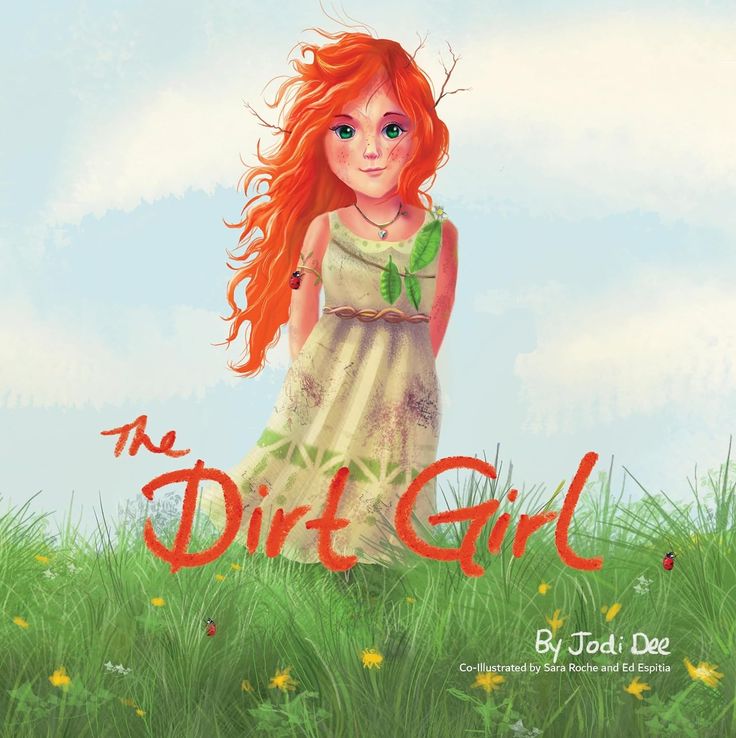
By Jodi Dee Illustrated by Sara Roche and Ed Espitia
Reviewed by Stephanie Mueller
What It’s About
Zafera isn’t afraid to get her hands dirty—literally. She loves the outdoors: mud on her feet, twigs in her hair, and the feel of the earth in her fingers. But when she starts school, her wild spirit doesn’t quite blend in. Some kids giggle or whisper, not out of cruelty, but because they simply don’t know what to make of her. She’s different—and different is often met with distance.
Zafera doesn’t let that shake her. She stays true to herself and keeps offering her light. Slowly, the others begin to notice. And in time, they don’t just accept her—they join her.
Why It Stands Out
This book doesn’t yell for your attention—it gently roots itself and grows. Jodi Dee gives us a character who knows who she is from page one, and that quiet confidence carries the entire story. Zafera isn’t trying to fit in, and she’s not trying to stand out—she’s just being. And that’s exactly what makes her so magnetic.
The story doesn’t lean into melodrama. There are no cruel bullies or overdone comeuppances. Just the real, recognizable experience of being quietly set apart, and the gentle persistence it takes to stay grounded in who you are when the world isn’t quite sure what to do with you.
About the Illustrations
The illustrations in The Dirt Girl are a joy—bold, layered, and rich with contrast. One spread shows Zafera’s home built right into the hillside, complete with grassy rooftops, forest streams, and a red door tucked into the earth. The next flips to lockers and polished school floors, a visual reminder of how jarring it can feel to go from the wild world you love into a space that wasn’t made with you in mind.
Zafera practically glows on every page. Her leaf-wrapped shoulders, basket full of snacks, and wild red hair make her unforgettable. But more than that, her posture, expression, and eyes tell the story. She’s drawn with presence—confident, kind, and rooted.
These illustrations invite readers to linger. Each page feels handcrafted, like someone took real care in telling the visual half of Zafera’s story.
For Readers
Best for ages 5–8, especially those starting school or learning to navigate social circles. This is a wonderful book for children who feel different, as well as for those learning how to welcome someone new.
It’s ideal for family reading time or classroom discussion. You’ll want to slow down, linger over the images, and talk about what Zafera’s story means in real life.
For Writers
Writers should take note of how this story handles emotional nuance. There’s no grand villain—just unfamiliarity, hesitation, and quiet tension. Dee trusts the reader to understand those subtleties without spelling them out, and that trust pays off.
Zafera’s arc is gentle but strong. She doesn’t change to gain approval. Her constancy is the very thing that makes her compelling—and eventually, inviting.
The prose is clean and accessible, making it an excellent mentor text for writing with restraint while still delivering emotional depth.
Favorite Line
“Many people are afraid of what is different than them, Zafera thought. But hold true to who you are, and others will eventually see your light.”
This is the heart of the book and of so many childhood experiences. Soft, empowering, and enduring.
Beyond the Story
As a grandparent, as a writer, and as someone who believes childhood should be a time of self-discovery—not self-erasure—I loved this book. Zafera doesn’t twist herself into someone more palatable. She invites the world into her story. And when that invitation is finally accepted, it feels earned. I’d recommend The Dirt Girl to any family nurturing empathy and individuality, and to any writer studying how to tell a quiet story that speaks volumes.
Additional Resource
Teachers and parents will be glad to know that Jodi Dee offers a free downloadable classroom guide on her website to accompany The Dirt Girl. It includes discussion questions, vocabulary, and activities that reinforce the book’s central themes of self-acceptance, empathy, and nature connection.
Whether you’re reading this story one-on-one or leading a group discussion, the guide provides thoughtful prompts that turn Zafera’s journey into an opportunity for real-world connection.
Let me know in the comments what you think of the book.
Leave a Reply